
3.5 kW Entry Level upgradable Installation Kit for Geysers
Affordable Solar Geyser & Inverter Solutions to Cut Your Electricity Costs
With electricity prices in South Africa continuing to rise, homeowners are no longer turning to solar only for load shedding — they are switching to solar to save money every month. One of the biggest and most expensive electricity users in any home is the geyser, often responsible for up to 40% of your monthly power bill.
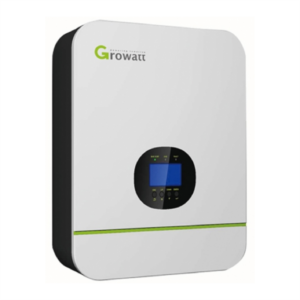
3.5kW Growatt Hybrid Inverter Installation Kit
Download PDF Datasheet
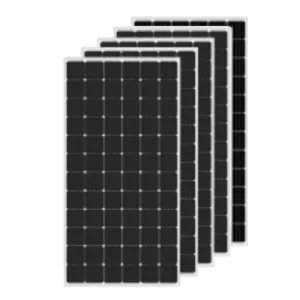
5 x 600W Solar panels
Download PDF Datasheet
Our affordable 3.5 kW inverter and solar panel solution is designed as the perfect entry point to solar savings, allowing you to start reducing your electricity costs immediately by powering your geyser and other essential household loads with solar energy.
This smart solar starter system gives you:
- Lower monthly electricity bills
- Reduced reliance on expensive grid power
- A scalable, upgradeable solar platform
- Immediate return on investment through geyser savings
- A future-ready system you can expand as your budget allows
By starting with your geyser and a cost-effective 3.5 kW inverter, you can convert one of your home’s biggest energy drains into one of your biggest savings opportunities — without the high upfront cost of a full solar installation.
Why Use Solar for Your Geyser?
Your geyser runs daily and consumes large amounts of electricity, making it the ideal place to start with solar. By using solar panels and a 3.5 kW inverter to support your hot water system, you can significantly cut your municipal electricity usage while still enjoying reliable hot water.
This approach allows you to:
- Use solar energy to heat water during the day
- Reduce peak-time electricity consumption
- Protect yourself from future tariff increases
- Start small and upgrade to full solar later
Affordable, Upgradeable Solar — Start Small, Save Big
Our 3.5 kW inverter solar solution is designed for homeowners who want to start saving now without committing to a large, expensive system upfront. The system is fully upgradeable, meaning you can add more panels, batteries, or capacity over time as your needs grow.
This makes it one of the most cost-effective ways to:
- Enter the solar market
- Reduce electricity costs immediately
- Build toward full home solar independence
- Future-proof your home against rising energy prices
Solar Geyser & 3.5 kW Inverter FAQs
Q: Can a 3.5 kW inverter run a geyser?
A; Yes, a 3.5 kW inverter can support a geyser when the system is correctly designed with enough solar panels. Many modern solar setups use smart control, timers, or solar diversion to power the geyser mainly during the day using solar energy, reducing or eliminating the need for expensive grid electricity. This makes a 3.5 kW inverter an affordable and practical starting point for geyser solar savings.
Q: Is solar for geysers still worth it now that load shedding is reduced?
A: Yes, solar for geysers is now more about saving money than backup power. Even with fewer power cuts, electricity tariffs continue to increase. Using solar energy to power your geyser helps protect you from rising electricity costs and delivers long-term monthly savings.
Q: How many solar panels do I need for a solar geyser with a 3.5 kW inverter?
The number of solar panels depends on your geyser size, household hot water usage, and available sunlight. Most starter systems use between 4 and 8 x 600W solar panels to meaningfully offset geyser electricity use.
A: Can I start small and upgrade my solar system later?
Yes. One of the biggest advantages of a 3.5 kW inverter system is that it is fully upgradeable. You can start with solar panels for your geyser, then add more panels, a battery, or a larger inverter over time as your budget and energy needs grow.
Q: Will solar geyser and inverter systems really reduce my electricity bill?
A: Yes. Because geysers are one of the highest electricity consumers in a home, offsetting geyser heating with solar can deliver noticeable monthly savings. Many homeowners see meaningful reductions in their municipal electricity bills shortly after installation.
Q: Is a solar geyser or inverter system better for saving money?
A: Traditional thermal systems sound smart—until reality hits. Even moderately hard water causes mineral scaling. Minerals such as calcium and magnesium build up on copper heat exchangers, forming limescale insulation. Efficiency can drop by 20 to 50% within just a few years. And then comes the added cost of chemical de-scaling every 1 to 2 years.. A 3.5 kW inverter system allows you to save on hot water and also use solar for other household electricity needs.
Q: How long does it take to see a return on investment?
A: Return on investment depends on your electricity usage and system size, but many homeowners begin seeing savings immediately on their monthly bills. Because geysers consume so much power, targeting hot water first often delivers one of the fastest payback periods in solar.
Q: Is this system suitable for future full-home solar?
A: Yes. Starting with a 3.5 kW inverter and solar panels for your geyser creates a scalable foundation. Adding a battery and solar panels the system can be expanded to support essentials.
Q: Does solar for geysers work in cloudy or winter conditions?
A: Yes. Solar systems are designed to still generate power on cloudy days, although at reduced levels. Grid power automatically supports your geyser when needed, ensuring you still have hot water while maximizing solar usage whenever sunlight is available.
Q: Why is the geyser the best place to start with solar?
A: Because geysers use up to half of household electricity, switching to a solar geyser delivers the fastest, most cost effective and fastest return on investment.
Q: What makes a 3.5 kW inverter a good choice?
A: It’s affordable, powerful enough for a geyser and essential appliances, and upgradable—so you can add panels or batteries later.
Q: How much can I save with a solar geyser and inverter?
A: Most households reduce electricity costs by 30–50%, with savings starting immediately.
Q: Is solar still useful if load shedding is no longer a problem?
A: Yes. The main benefit now is cutting expensive electricity costs and protecting against future tariff increases.